


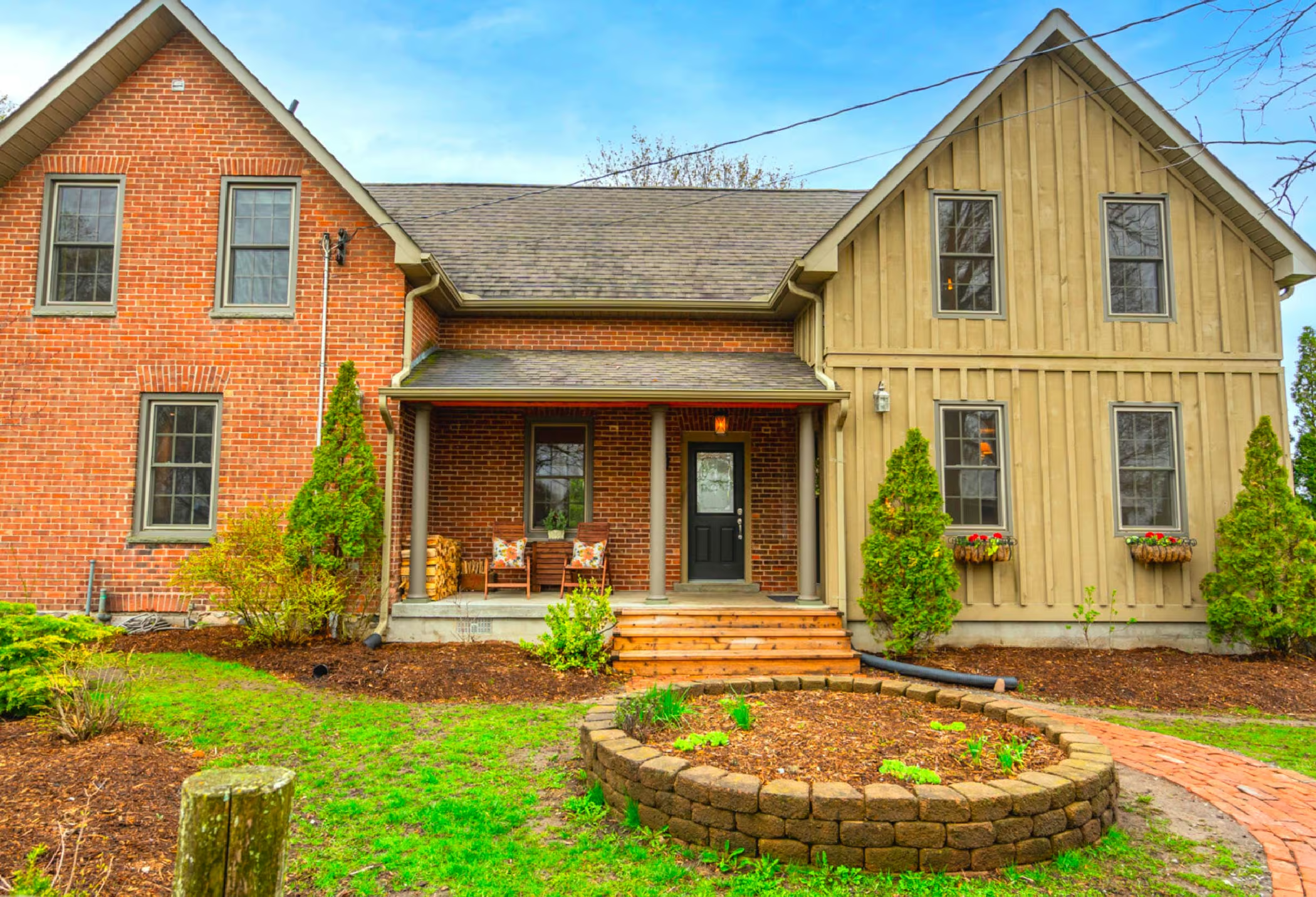
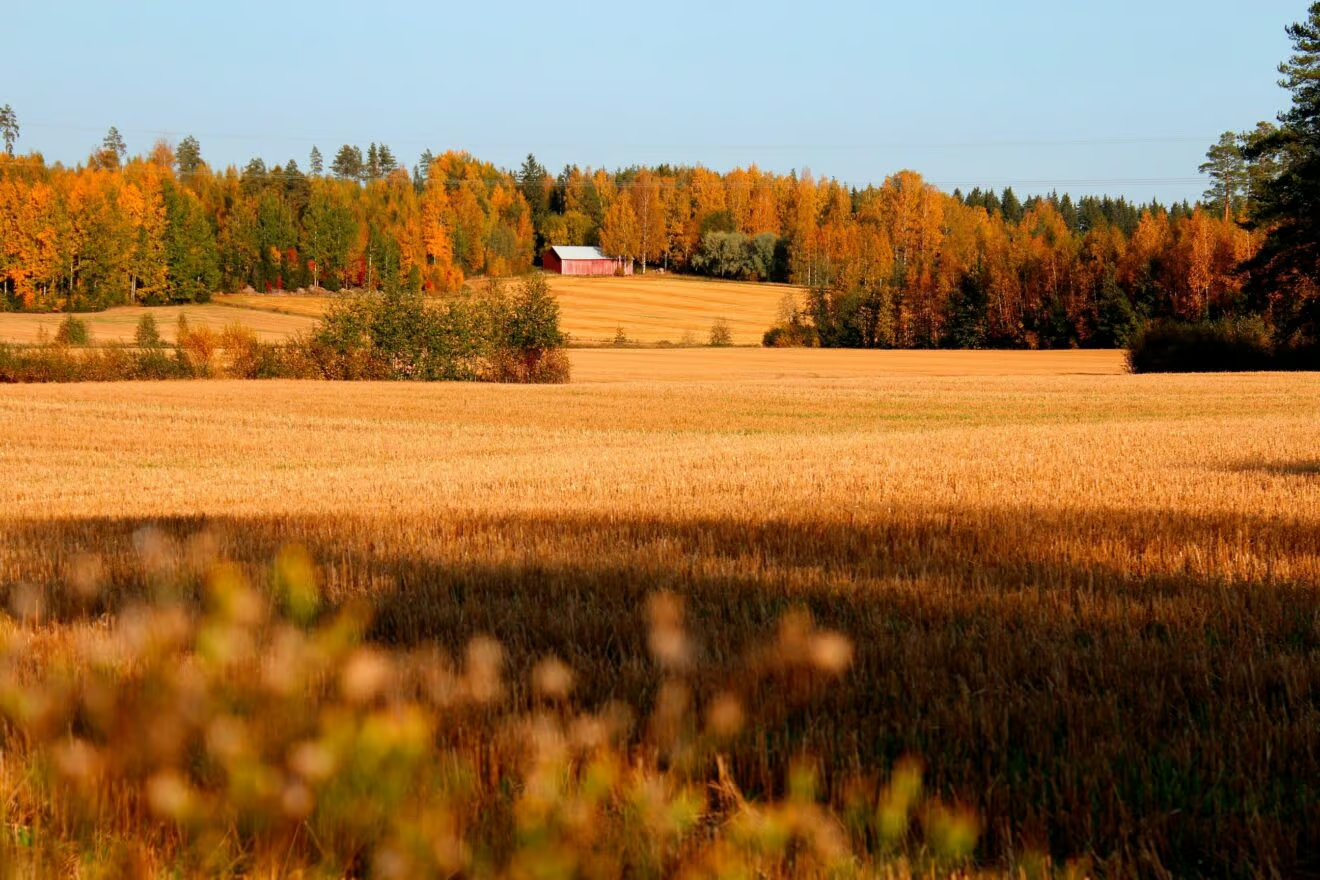
Compared to the big city, everyday life in a small town or rural community simply looks different – and that’s what people typically love about life in the country. However, the differences between rural and urban extend well beyond lifestyle, too.
More specifically, rural real estate is an entirely different beast than, say, buying or selling a house in Toronto. If you’re thinking about moving to (or within) a small town or remote area of Ontario, you’ll want to know what makes rural real estate unique, and how those differences should influence how you approach the market.
As professional Realtors working (and living) in Durham Region, Kawartha Lakes, and a handful of other communities, we know rural real estate inside and out. In this blog post, we’ll look at what makes it so unique.
Moving out of the city? Check out our list of the best small towns to live in Ontario.
Buying: Rural vs Urban
Buying a home is exciting, but it’s also a major investment. When it comes to buying rural real estate, there can be a number of considerations or variables that wouldn’t apply to a home purchase in the city.
Diverse & Dynamic Properties
One of the biggest differences between rural and urban real estate is the sheer diversity in property types. Outside of the city, there are all kinds of real estate types, each with something different to offer a potential buyer.
For instance, a modest hobby farm would be considered rural real estate, but so would a large, fully-operational agricultural property. Same thing with traditional homes located on quiet, small-town streets, and ultra-remote waterfront cottages.
New Infrastructure (& New Responsibilities)
Owning a home comes with a lot of responsibilities – no matter where you are. However, rural properties in particular can require a lot of upkeep. From maintaining multiple acres of land (mowing, landscaping, snow removal, etc.) to taking care of any animals you have on your property, life outside of the city isn’t exactly hands-off. Of course, you can find traditional homes on small, easy-to-manage lots, but it’s important to carefully consider your future responsibilities before buying.
Rural homes can also come with unique, specialized infrastructure that’s not found in the city. Common examples include wells and septic tanks. As a property owner, you’ll need to know how these systems work and ensure they stay in good condition.
Because rural real estate can vary so greatly, you’ll want to work with a Realtor who understands the local housing stock and the critical variables of each property type. More on this later.
Looking for more catch-all advice on buying a rural home? Read these blogs next!
- Moving Out of Toronto? Here Are 5 Tips For Transitioning to Life in a Smaller Town
- Where Are The Best Rural Homes In Ontario?
- 5 Things to Know Before You Buy a Country Home
Selling: Rural vs Urban
On the other side of the coin, selling a rural home is just as specialized. Once again, it really comes down to the specifics of each property, its use, and what type of buyers may be interested in it. Plus, you may run into financial and legal implications associated with your sale that a traditional home in an urban market is exempt from.
The Market Moves Differently
In rural real estate, market conditions tend to vary at a hyper local level. However, certain trends are generally common to the landscape as a whole. For example, rural properties typically spend more time on the market than homes in cities. As a seller, it’s important to recognize this before making potential adjustments to your listing strategy.
Selling More Than Just Real Estate
Another unique element of selling rural real estate is that you’re sometimes not just selling the home and property. What do we mean by that? There are a couple of ways to look at it.
First, marketing a rural home to potential buyers goes far beyond just advertising the basics. Out here. You’re not just selling real estate, you’re selling a lifestyle.
Second, certain rural properties like farms or large scale agricultural premises are not just real estate – they’re part of functioning businesses. When these types of properties are sold, there are a whole host of financial considerations that go beyond the basic real estate process.
Curious about life in our neck of the woods? Explore these other blogs for helpful insights about buying a home in Durham Region and the Kawartha Lakes.
- 5 Reasons to Move to Lindsay
- Why Artists Are Flocking to Port Perry
- 5 Things to Love About Waterfront Living
Making Rural Real Estate Moves?
Truthfully, there are plenty more aspects of rural real estate that distinguish it from urban markets. But for the sake of this blog post, we’ll leave you with one final piece of advice:
If you’re buying a rural home, selling one, or both, it’s important that you work with a real estate agent who specializes in rural properties and communities – that’s where we come in.
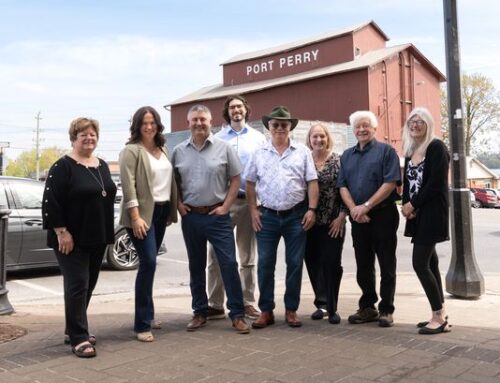
A full-service, multi-generational team, we’ve been buying and selling real estate across Durham Region and Kawartha Lakes since the ‘70s. When you work with us, our unbeatable knowledge, decades of industry experience, and local market position become your advantage.
Buying or selling rural real estate? We can help. Call 905-985-7300 to reach our team or click here to send us an email.

Book a Meeting
Whether buying or selling a home in Port Perry and the surrounding area, our team has you covered. Book a call with us today to get started.